
Keeping our trails in good shape
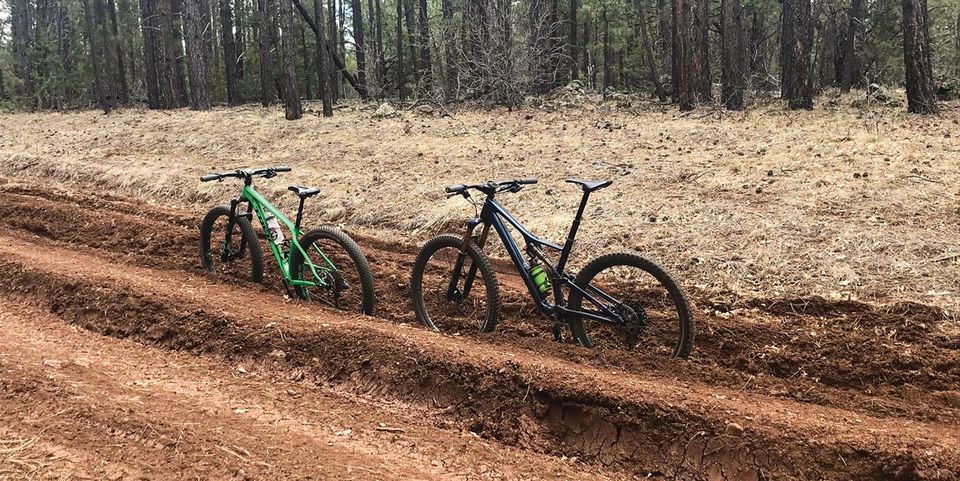
Slowly, surely winter gives way to spring and along with it, snow gives way to mud and then, gradually the forest welcomes us back onto its trails and into the backcountry. We are in a hurry to get back to riding, hiking and horseback riding, but for the sake of the trails, we need to use prudence and restraint when deciding to take the leap back into hiking, riding and cycling season.
The first to dry out enough to safely use are the lower elevation trails with a sandy soil substrate. Moist sand can support use without much damage, but the higher elevation clay/mud based trails need to dry fully before use. If we are riding horses or bikes or even just hiking on wet and muddy trails, we face the risk of damaging the trail surface enough to require extensive trail work and repair. If we wait until the trails have hardened and dried before we first use them, we are rewarded with a great, usable trail surface all season long, without much maintenance work. If you are leaving more than 1’ deep tracks, you need to be off the trails until they dry. Horse hooves can leave deep pockets that hold water and destroy the trail surface for hikers or cyclists. Bike tires can leave deep ruts which encourage erosion down and off the trail. Even hiking boots can damage the trail surface. Hiking or riding on muddy trails, encourages users to create new parallel trails alongside the actual trail and damage meadows or increase erosion in off-trail slopes.
When it is time to re-take the trails from winter’s moisture, there are several things you can do to be a great trail steward. Most of our trails are maintained by private individuals or volunteer groups. The Apache-Sitgreaves National Forest does not have paid trail crews to maintain trails in the Pinetop-Lakeside-Showlow area, and if you are going to be a trail user, you have an obligation to help care for the trails. Organizations like TRACKS have regular volunteer work days focusing on specific trails in the Pinetop-Lakeside area. Please contact Tracks at the website below for more information. Many local trails have been built, and are maintained by dedicated individuals with a love for a specific trail system. The Save the Buena Vista Foundation is a group of people who are dedicated to protecting and maintaining the Buena Vista trail system.
As you start going out onto our trails there are several things you can do to help.
• Contact your local bike shop or other outdoor shop for trail condition information or for upcoming trail work projects. Watch social media and STRAVA posts for trail conditions and “work needed” requests.
• Stay off wet trails and encourage others to do the same. Don’t glorify muddy tires or boots — it’s not a badge of toughness to go out early and get muddy; it’s a sign that you are probably ruining the trail surface for others later.
• For your first couple of times out, take a small handsaw with you to clear out fallen trees. Wet soils and windy spring days combine to fell dead or weakened trees. If you find a larger tree, take a chain saw out to clear it or contact someone who can. If we cut out fallen trees, it allows us to continue using the trails as they were built instead of having people create social trails around deadfalls.
• Pay attention to the way the trails had runoff water over the winter. If you notice that a trail is beginning to degrade from erosion straight down the trail bed or running off a downslope, talk to others about organizing a trail repair expedition. Adding rocks for stability or “benching” a trail section can solve small problems before they create larger problems.
• As spring comes in full force, periodically bring along clippers to trim plants growing into the trail pathway and blocking visibility both for trail hazards and for safe visible distance to see oncoming riders or hikers.
• Watch for people creating social short-cuts across switchbacks and try to eliminate these off-trail developments by blocking them with branches or rocks. We need to keep our trails within their designated beds-short cuts create erosion, detour trail traffic and flow and are not acceptable trail user practice.
• Volunteer to go out and participate in trail maintenance projects at least once a season. All the trails need maintenance, and volunteers are always needed and appreciated. Join or contact the organizations listed below.
In summary, Spring is exciting! Hiking and riding season is coming and we are all chomping at the bit to get out there. First things first, be careful that the trails are ready for use, volunteer to help improve/maintain trails and be an advocate for our trail systems.
Save the Buena Vista Foundation: https://www.stbf.org
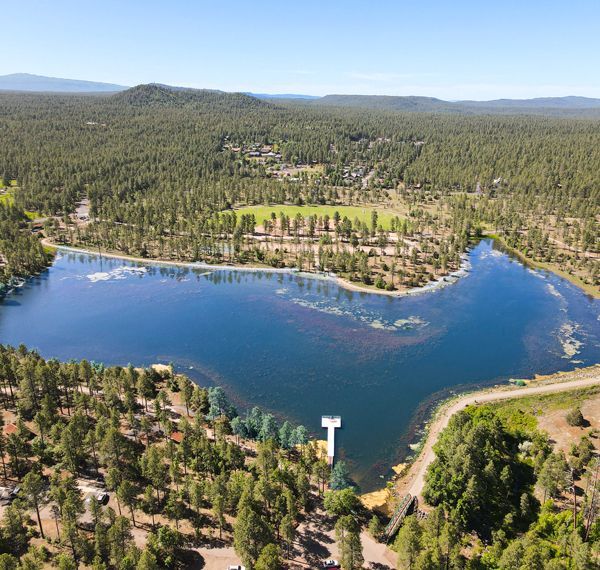
Adopt an Acre at Woodland Lake Park
TRACKS August Local Hero: Nick Lund

An interview with Greg the Sasquatch of Sasquatch Honey Bees
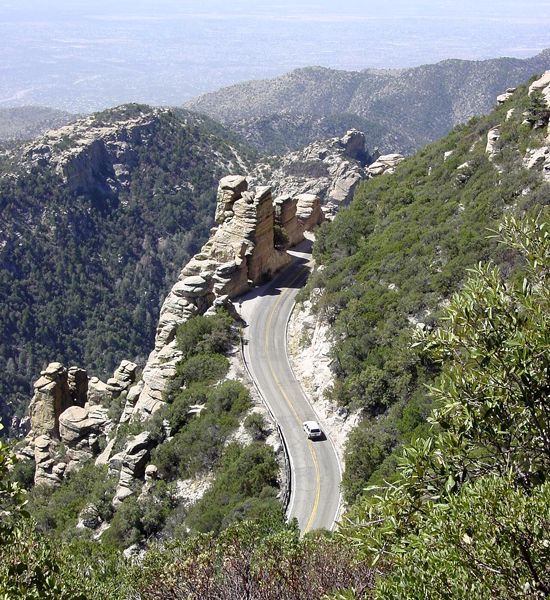
Mount Lemon: A Gift and a Challenge

The Life and Times of Lee and Lea Fulmer
All about Termites...
Greeting Friendly Canines
The White Mountain Trail System
Facing Big Decisions

The Art of Linda Lucas