Wildflowers and the changing of seasons
Article and photos
by Carol Godwin, Cycle Mania
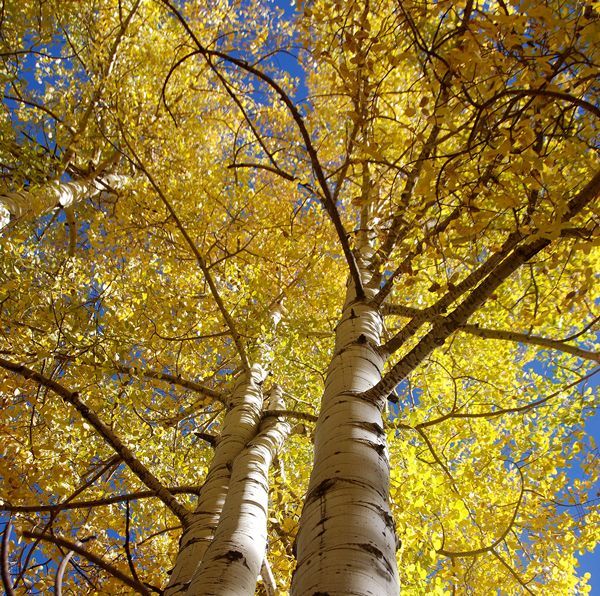
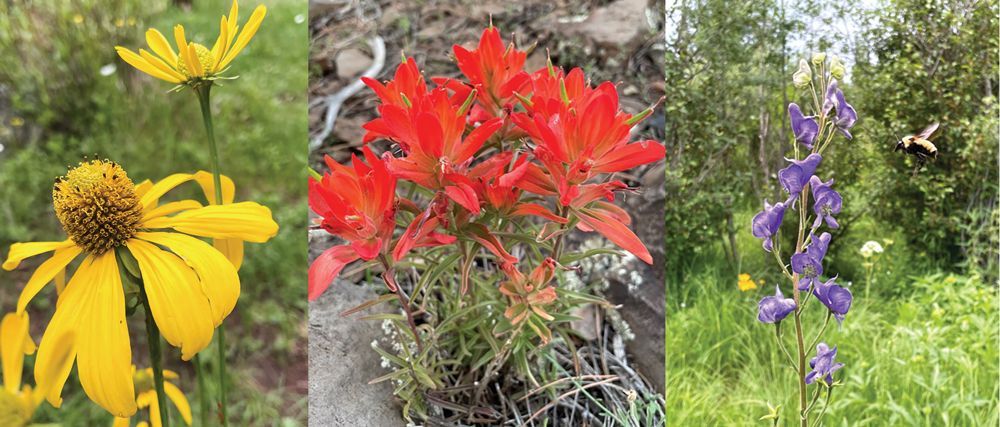
The days are almost imperceptibly, but inevitably, growing shorter. Mornings are cooler, and the seed heads on the grasses are bobbing with the weight of their grains. The massive explosion of wildflowers has turned down and we feel fall breathing down our necks. One of my friends recently asked what she was going to take pictures of when the flowers went away, and I replied she would then take pictures of the spectacular seed heads and fall foliage that are certainly coming our way, and after that, pictures of snowfall, each season with its own breathtaking themes. The variety and beauty of seed heads is astounding, and the way they are dispersed is infinite.
Seeds blown on the wind with feathery parachutes, seeds which drop out of cones with propellers, seeds designed to stick to animal fur, seeds designed with the requirement to be eaten and then scattered as the animal moves around, seeds designed to be released with fire and seeds that just fall where they may because the parent plant will be long gone by the time they sprout next spring. Life doesn’t stop in winter; for some, it just puts itself on hold, for others, it’s just a new season.
Annual plants bloom and produce seeds until the first frost, with the focus of their energy on creating and maturing seeds for the next generation. Annual plants grow fast, bloom fast, and make seeds fast: they focus all of their energy into their seeds and will not survive the winter, relying on their offspring to come back the next year. Perennial plants are those which store energy in their roots, stems, or tubers to come back quickly when conditions are right next year. Perennials divide their energy use between self-preservation and creating their seeds to multiply themselves, and cease blooming earlier than annuals to give themselves time to store energy for the next season. Perennial plants are more likely to use seed dispersal methods that take their seeds away from the parent plant so the parent is not too crowded to come back next season.
As we age, we realize our seasons are changing, almost imperceptibly, but inevitably our lives are growing shorter. Mornings are a little stiffer, hair a little greyer, bodies beginning to feel the impact of time and a life lived. Children have dispersed and perhaps even have children of their own, and we wonder what happened to all that crazy energy and ambition we once had. We can choose to be annuals or perennials in life. One choice is to watch the days go by and accept that our best days are past. We can retire and sit on the porch, enjoying the view. We can accept that our bodies are aging and allow ourselves to become more sedentary, letting the aches and pains of yesterday dictate the actions of today and tomorrow. We can recount the glories of our youth, the fun days spent outdoors doing crazy things, and all the accomplishments long past in our jobs. We can end our season as annuals.
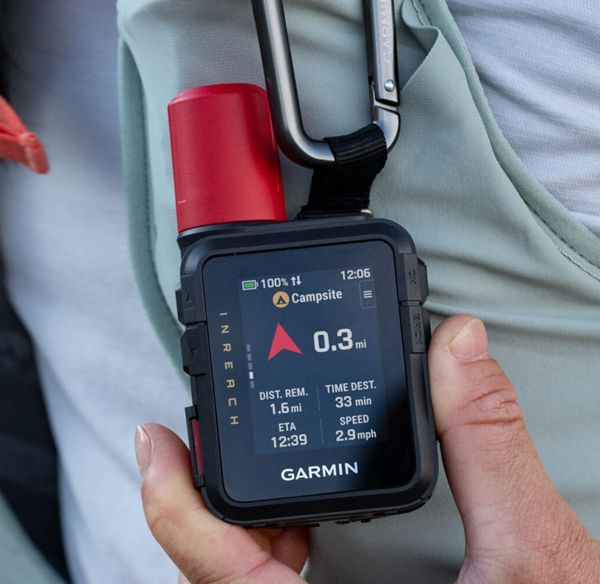
As perennials, we can choose instead to prepare for the next season by embracing the changes and taking advantage of the new opportunities and extra time we have. Perennials know it is vital to store energy for the next season, and the way to do that is by keeping active. Get out and hike, get out and bike, get out and explore the world you didn’t have time to explore while you were working and raising kids. Use hiking sticks to extend your hike and make your footing more stable. Use an e-bike to assist your pedaling and make your rides longer and more enjoyable. Join a local hiking/biking group to keep you motivated and keep your interactions with others fresh.
Choose random spots on the map and go there. You don’t have to leave home to see places you have never seen, and our White Mountains are full of awe-inspiring places no one can ever see all of. Whatever you do, keep yourself moving and preparing to live well next season. A doctor friend of mine recently retired, and when I saw him nearly a year later, his advice was that no one should ever fully retire, but retirement from a job differs from retirement
from life.
Retirement from life is unnatural and unhealthy, and most of us know of people who retired and then withered and died a few years later. I have friends in their 90s who are still actively riding their bikes and hiking nearly daily, and friends who are worn out and unable to be active in their 50s. The saying that a body in motion stays in motion is a great reminder that retirement from a job is not equivalent to retirement from life. Keep moving, keep thinking, keep learning, and keep living. There is no retirement from life for our forest animals; it keeps going on with the herd until you can no longer do it and become food for something else. An elk that retires is a dead elk, the coyote who retires is a dead coyote, and a plant that retires is an annual. We can follow the examples of nature and be perennials. Move on to the next chapter, but do not retire from life. Embrace each new season and prepare for the next. All living things eventually reach the end, but it’s worth the struggle to make the best of all our seasons. My goal is to be a perennial as long as possible and enjoy all the days and seasons left to come.