
Sometimes, Mother Nature is wrong!
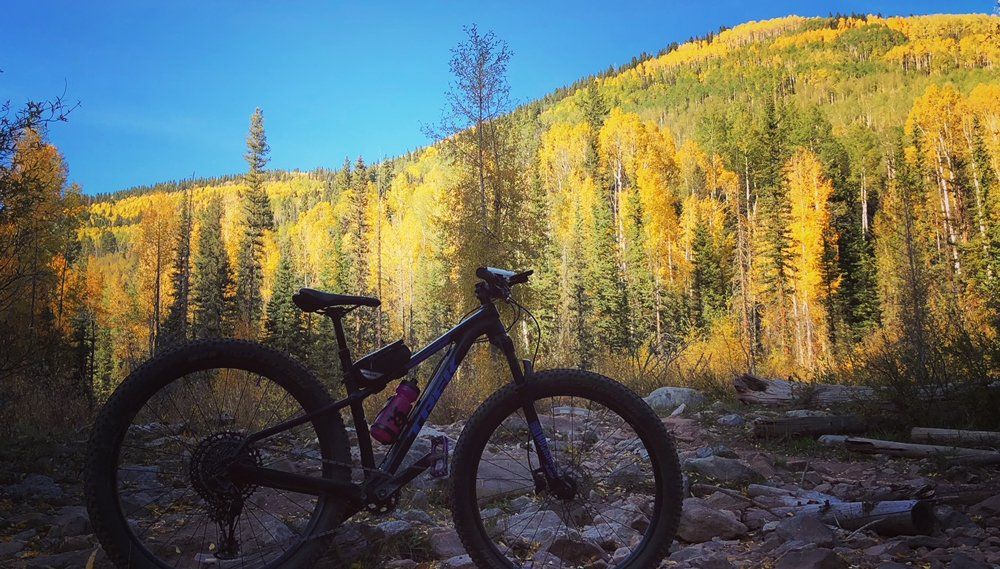
As our tilted planet inexorably orbits the sun, daylight rays of sunlight decrease in their angle hitting the Earth and days grow shorter. Trees are triggered to begin breaking down and pulling back valuable chlorophyll to save for use next season. As the dominantly green chlorophyll disappears, the underlying reds, oranges and yellows of other elements in the leaves are revealed, with the resulting golden and red-hued leaves being shed as they will no longer be useful to the trees during winter. Evergreen leaves are able to withstand winter freezes and remain on the trees all year, with a short shedding and recycling period in early spring.
Forest animals have been and are busy preparing for winter in their own individual ways. This summer, nature has been kind to the creatures in the White Mountains and food has been relatively abundant. Herbivorous animals such as rabbits, squirrels, elk and deer, all have thrived, reproduced and grown sleek and fat this summer with an explosion of grasses and other plants after monsoons. Predators, also, have been able to thrive with the profusion of healthy prey animals to eat. Soon, bears will head towards their hibernation dens and will mostly rest until spring. Squirrels, mice and rabbits have stored food caches in their local territories and will stay relatively active all winter and elk and deer are able to move to areas where there is locally available food while utilizing stored fat throughout the winter. Fall is especially intriguing to me because the elk are in full rut and their bugling on crisp autumn mornings is spectacular to listen to.
We just passed the Autumn equinox and as we head through fall and towards winter, our bodies tempt us to build up fat and slow down in anticipation of a winter torpor period. Waning daylight hours trigger our bodies to prepare for a period of minimal food availability and lighter workload. Our body also ramps up inflammatory immune system responses in anticipation of potential harm in winter conditions, which is why autoimmune diseases like type 1 diabetes and arthritis tend to flare up over winter. Shorter sunlit days and less time outdoors can cause vitamin D deficiency which in turn causes muscle weakness and pain sensitivity. Shorter daylight hours as well as vitamin D deficiency can cause mood swings and depression, which is why October is mental health awareness month. The hormone melatonin increases as winter approaches, causing us to feel drowsy and feel the need to sleep for longer periods. In short, nature is prompting us to store food, hunker down, be prepared to fight off any diseases we might encounter and wait out the winter period. This all sounds self-defeating and discouraging, but sometimes nature is overreacting and in our case, is completely correctable if we stay aware and active.
Modern man has no use for a winter torpor as food is readily available year-round and most of us have ways of keeping our homes warm and comfortable all winter, so how can we fight our body’s natural responses to the upcoming winter? One of the best ways to fight off the winter downturn is to be aware of the messages your body is sending you and choose which ones to listen to and which to ignore. Do you really need that fistful of cookies to survive the winter, or will there be food readily available at the next meal? Do you really need to go to bed at 8 pm, or is it the increased melatonin tricking you? Is there something you can do to stay active instead? Should you stay inside and watch the wind blow or is there a way to dress appropriately to stay warm if you go out? Should you refrain from that ride or hike you had planned with friends because your joints and muscles hurt or should you stay active and keep them moving? Do you listen to that discouraging voice in your head that is keeping your mood low, or do you realize that it's just the lack of vitamin D speaking to you and increase your outdoor time, use full spectrum lighting and take a supplement.
Stay active outdoors. Get as much sunlit time outside as possible and keep your oxygen levels high with exercise. Cool fall temperatures are ideal for outdoor activities like hiking, running, biking and when the snow falls, skiing, snowshoeing and snowboarding. If you have limited time outdoors because of a work schedule, use full spectrum light bulbs and an indoor trainer or exercise machine regularly. Make use of whatever daylight hours you can and do required indoor activities after the sun goes down. Encourage kids to be outdoors as much as possible after school and leave homework and video games for after dark, but encourage the use of full spectrum lighting rather than allowing kids to play video games or be on phones in a darkened room. Watch food intake and balance it with calorie expenditure during the day. Make sure to stay hydrated as cool, dry air can dehydrate you as easily as sweating on a warm summer day. With forethought and active rebellion against what nature is tempting us to do, we too can arrive in spring, fresh, fit and renewed from winter.
Happy fall! Get out there and enjoy the leaves before the first snow falls.
Staying safe during the White Mountains' rainy season
The transition of seasons

Saving Animals One Wish at a Time

Trading Post Southwest
The Value of Friendship
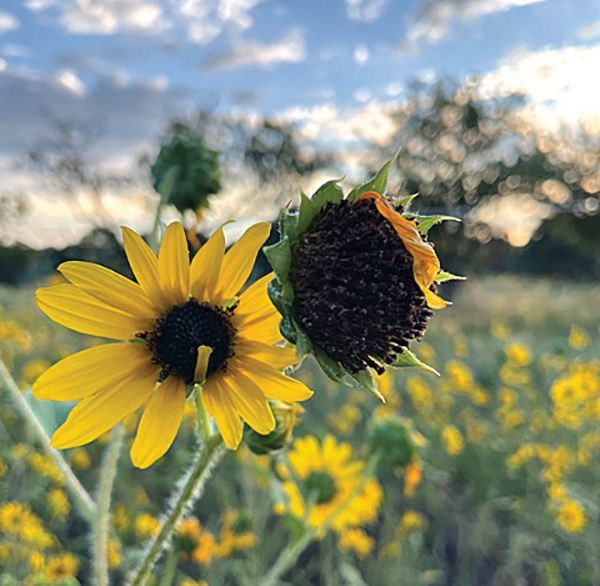
Wildflowers and the changing seasons
High country birding excursion
Chiricahua National Monument

Living in the present moment
The Art of Deb Wehrman and Pam Tetlock