All the White Mountain Wildlife Contribute something Positive
By Dan Groebner
With the pseudo-winter we experienced last year, our summer wildlife residents may make their appearance a little sooner this spring. Bats are already getting comfortable in temporarily vacant summer cabin attics, skunks are rousing from their winter sleep period with an appetite, birds are making nests on porches near doors, and snakes have chased the sluggish little rodents just emerging from hibernation.
It doesn’t matter if you’re a permanent resident or a summer visitor, we all have the opportunity to meet our native wildlife in our daily travels around the yard or hiking through the woods. If we’re prepared with a little knowledge, these encounters can turn into a memorable experience without a trip to the emergency room, an unexpected invoice from a pest control company, or an unnecessary and unfortunate outcome for the critters.
All of our White Mountain wildlife contribute something positive to our area, even though it may not be obvious to us, since much of their activity starts after the sun goes down. And many of their benefits are small and subtle in our perception, with many beneficial reasons to maintain wildlife populations still to be discovered. Nonetheless, there are situations where we can’t implement the multiple-use policy of our dwellings with wildlife, just because of health, safety, and sometimes nauseating, odiferous reasons (can you smell the skunk now?).
Since we have such a great diversity of animal species in the White Mountains, we could come across almost any kind of critter when we are out and about. Most wildlife try to avoid human contact, so if you run across a fox, raccoon, or squirrel that doesn’t yield to you, you might want to steer clear as it could be sick or just acclimated to people and not afraid to scratch or bite to get a treat. With AI available these days, you don’t need to get that photo petting the bear; just have the computer make it for you! But unfortunately, the people who try to get a photo with the bison in Yellowstone probably couldn’t figure out how to even turn on a computer.
So the first thing you need to pull out when encountering wildlife is your pocket full of common sense. Just giving the wildlife some room can successfully solve most encounters. This is the best approach when finding large snakes, except for maybe having a rattlesnake living under your house or in the garage. Here, if you know how to do it, you can capture and transport the snake in a large covered bucket or action packer using a hook on a pole or another long-handled implement. You can even place the bucket over the snake and then slip a flat piece of cardboard or wood under it to trap it.
Even if the snake is not venomous, most of them will bite when confronted or at least let loose with fresh, gooey excrement that they can sling with a quick whip of their tail end. Although a common garter snake is not venomous, its bite can become infected and make your finger swell up like a cucumber (almost). Most snakes are generalists in their diet, meaning you could translocate them almost anywhere in the White Mountains and they should be able to find enough food to survive. If you can safely photograph the snake, someone at Game and Fish might identify it.
The dry winter and spring so far are setting us up for another “year of the bears” in town, scrounging for food and water. Last summer was a record year for the number of bear calls and forced bear translocations, so more effort is being put into educating local residents on how to keep bears out of town this year. Even though they look photogenic from inside a house and everybody wants to show that they live in a “wild” area with bears, every once in a while we have to go outside and possibly encounter an acclimated bear, often with bad results, sometimes for both the human and the bear.
Bears risk coming into town primarily for our garbage and other food or water sources. If we can eliminate their access to those things, the bears will be forced to forage on natural foods in the woods and not in our backyards. A little planning with garbage cans locked or latched closed or in a garage, as well as clean bird feeders and secure chicken coops, will go a long way toward saving a few bears.
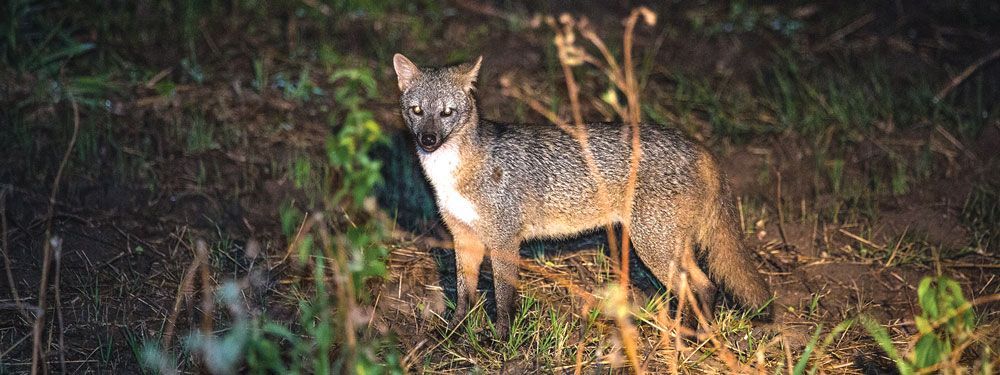
Having a fox, coyote, bat, skunk, or any other critter hang out in one spot for more than a day is usually not normal. Especially during the day, when they usually hide. So be careful if you try to scare it away as it could act abnormally, especially if it has distemper or rabies, which occur regularly in our area.
If someone is bitten or scratched by a wild animal, they need to seek medical attention as soon as possible to prevent any infections or diseases, including rabies. The animal does not have to be collected, but if it is dead, it can be tested or identified if it is a snake. A photo may be sufficient.
And don’t be surprised if you see more javelina, ringtails, coati, or roadrunners in the White Mountains as average temperatures are making it more hospitable for them and winters have been extremely mild. Roadrunners won’t cause any problems, but the others might like to root around in our gardens or take advantage of pet food left out on the back porch. That’s not really a problem until there is a dispute over the food with your pet some dark evening!
Bats really like some of the summer cabins in the area, as many are made of logs that are difficult to chink and seal completely. Even in conventional homes, bats can find cracks as small as a quarter-inch to get into attics and crawl spaces. You don’t want to seal any cracks on the outside of your home until you are sure the inside is completely sealed, including closets, crawl spaces, chimney edges, and especially the peaks of those sky scraping A-frames (which almost require oxygen to get to, so don’t be afraid to hire a contractor!). If bats are already being seen in the area, you don’t want to seal the outside of the home as you may trap them inside where they will die and stink up the place.
The time to seal your home is during the late fall and winter when all of our area bats migrate out of the area or find a roost in a cave or lava tube. It is probably too late now unless you can verify with a visual inspection that no bats are using the home before it is sealed. Although some bats are migrating through already, other bats won’t arrive for another month.
Now is a good time to seal off your porch from those birds nesting right above the door. You can prevent and discourage birds from nesting in an area that presents a human health and safety issue, but you can’t disturb an active nest once it has been started with eggs and chicks, even if they drop little white blob bombs on you as you scare them from the nest every time you use your own door!! So exclude them with hardware cloth, bird spikes, or close in their favorite area with wood before they get started.
One last word of caution is needed when you are live-trapping and translocating nuisance wildlife like skunks, raccoons, squirrels, etc. During the summer, many of the critters are mamas raising young, so if you trap and move her, you still have her offspring to deal with wandering around looking for her. The same is true for excluding bats from a house roost where they have left their young pups while out foraging at night.
So if you don’t want a smelly house from dead critters, or more naïve orphaned young critters causing problems, it may be best to hold off on control activities until the fall and then plan on sealing up any entrances they are using to get under or into your house.
The White Mountains’ diverse and abundant habitats, spread across its impressive elevational changes, bless us with a huge variety of wildlife, a rarity not found anywhere else in the US. We just have to remember that since we are surrounded by wildlife, interactions should be expected, but we can do things to coexist without significant conflict.