
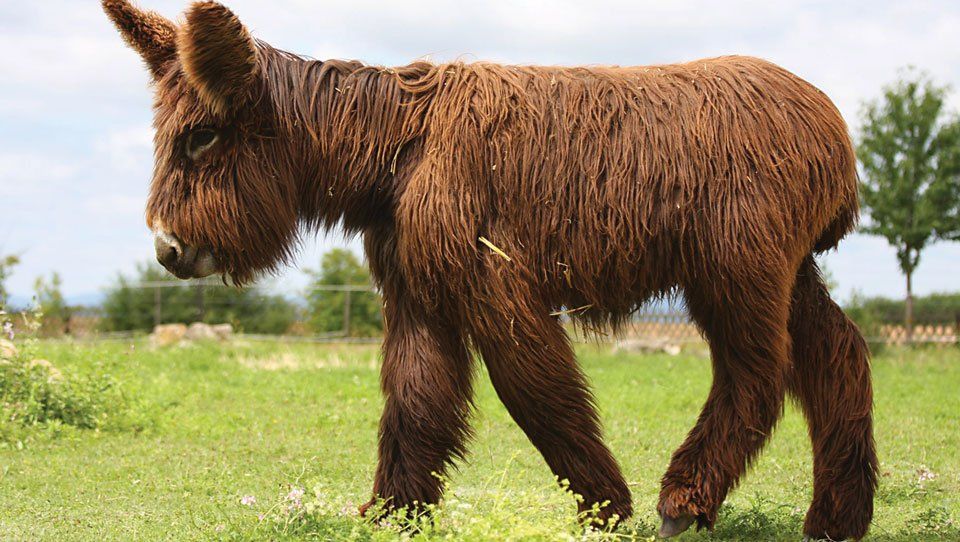
How do rare, endangered donkeys from France end up in the tiny mountain town of Alpine?
We took a little road trip up to Hannigan Meadows for our forty-ninth anniversary. On our way, we stopped in Alpine, Arizona to eat a burger and look at the wildlife pictures at The Bear Wallow Cafe. There's something reassuring in returning to an area where we spent our honeymoon almost half a century ago to find out it hasn't changed much. The burgers and fries were as perfect as we remembered. That trip was our introduction to the beautiful White Mountains and -- then and there -- we decided we would live in the White Mountains someday. How can one not be intrigued with towns named Alpine, Pinetop, Lakeside, or Show Low? Our wish was granted several years later and we've been happy residents for forty-two years now.
As we left Alpine, headed towards Hannigan’s, I gazed out the window at the lush green meadows and towering spruce, hoping to spot some of the resident elk when suddenly I saw something incredible. Something my eyes said I couldn't be seeing. It appeared to be three giant shaggy donkeys. Their size was elevated in comparison to some kind of bovine that stood nearby. I stared but we were quickly past them. My brain kept telling me I could not have seen what I thought I saw. In this day and age of National Geographic and Discovery Channel, it could not be possible that there would be an unknown species of mammal just wandering around. The best comparison my mind could come up with was that I'd seen a musk ox.
We made our way up the mountain; took a look at our honeymoon cabin and were pleased to see that it looked the same and we went on up the road to the Blue Overlook. From there you can, if you squint and stretch, see all the way to the Pacific Ocean. At least, it seems that way. Something had changed there. The interpretive Forest Service walk to the very edge of the world was no more. The fire that burned through there several years ago had tumbled trees across the path and, in the intervening years, nature had replanted the manmade path with shrubs and bushes more to her liking and effectively obliterated the path that was once was. Now, only stairs to where the path once began were the only evidence of human intervention. There's something reassuring in that too.
I was ready on our return trip. We pulled to the side of the road and stared unbelievingly at the three giant shaggy donkeys and a cow. What were they? Where did they come from? Was this a new breed? Or some rare prehistoric breed of donkey I'd never heard of? And what in the world were they doing in the little town of Alpine, Arizona?
As soon as we arrived back in Show Low, I googled "giant shaggy donkeys," not expecting to get a return on such a vague term. But, viola! Immediately, the very creatures I'd seen came up on the screen. The Poitou donkey -- or Baudet du Poitou -- came from the historical Poitou region of France. It is believed they were introduced into the area by the Romans. They were valued for their large size, long shaggy hair and docile dispositions. They were a status symbol during the Middle Ages and hit their peak of popularity during the 1800's when they were cross-bred with horses to make large, much sought after, working mules. America's "mammoth Jacks" owe some of their heritage to the Poitou donkey. Around 30,000 to 50,000 were produced annually at that time but, by the mid-1900's, machines began to replace mules on farms and, by 1977, only 44 Poitou donkeys remained in the world. Wait! What? Only 44 Poitou donkeys inventoried worldwide in 1977? The mystery deepened.
How do rare, endangered donkeys from France end up in a tiny mountain town in Alpine, Arizona? I had to find out. By coupling "shaggy donkeys" and "Alpine, Arizona" on my search bar, I was directed to the Face Book page of the Lucky A Ranch. The Lucky A Ranch is a non-profit donkey rescue in the White Mountains in Alpine, Arizona. Their mission is to provide sanctuary to unwanted donkeys and help them to find a forever home. They also care for dogs and cats and help the feral cat population by trapping, taming, neutering and re-homing them. The four Poitou Jennies arrived at Lucky A Ranch in June of 2018, thereby fulfilling a lifelong dream for Lucky A Ranch owner Michele. They reside there with the other lucky A's.
So, if you'd like to take a really fulfilling road trip, I recommend Alpine, Arizona. Grab a Wallow Burger from the Bear Wallow Café; peruse the many interesting photos and memorabilia displayed there and then stop by the Lucky A Ranch to meet the rare "French Ladies." The owners are happy to share their story and to show you their facility and -- who knows, maybe you'll fall in love with a donkey and take one home with you. If nothing else, drop in a few bucks to help support this worthy organization.
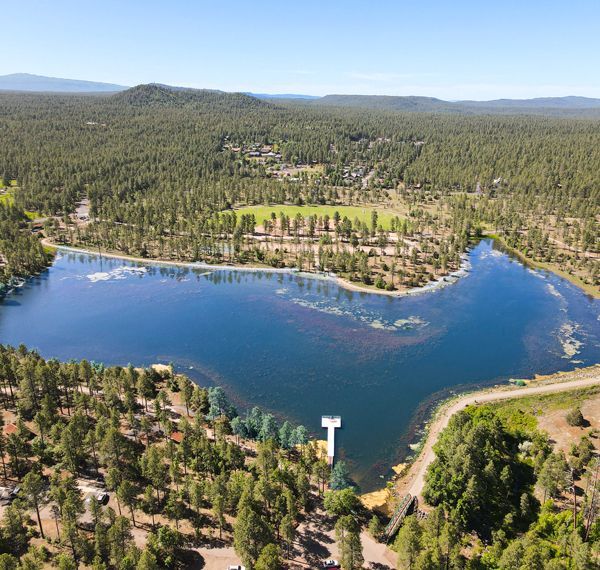
Adopt an Acre at Woodland Lake Park

TRACKS August Local Hero: Nick Lund

An interview with Greg the Sasquatch of Sasquatch Honey Bees
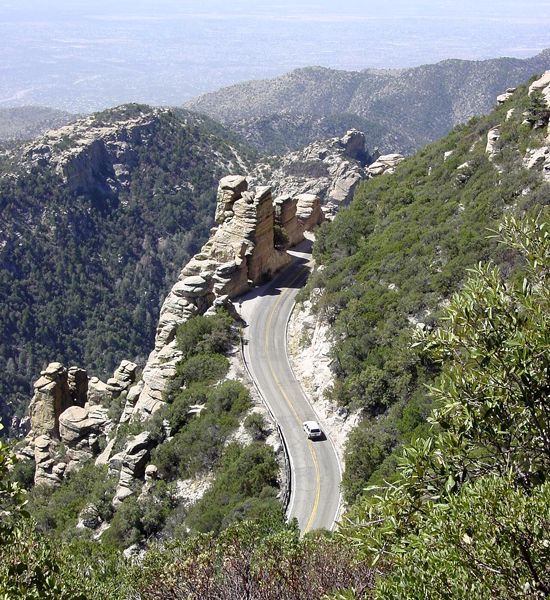
Mount Lemon: A Gift and a Challenge
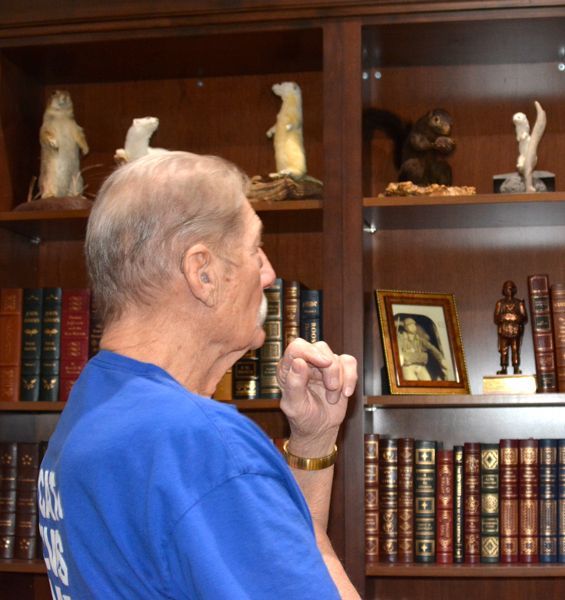
The Life and Times of Lee and Lea Fulmer
All about Termites...
Greeting Friendly Canines
The White Mountain Trail System

Facing Big Decisions
The Art of Linda Lucas