
The ever changing colors of leaves...
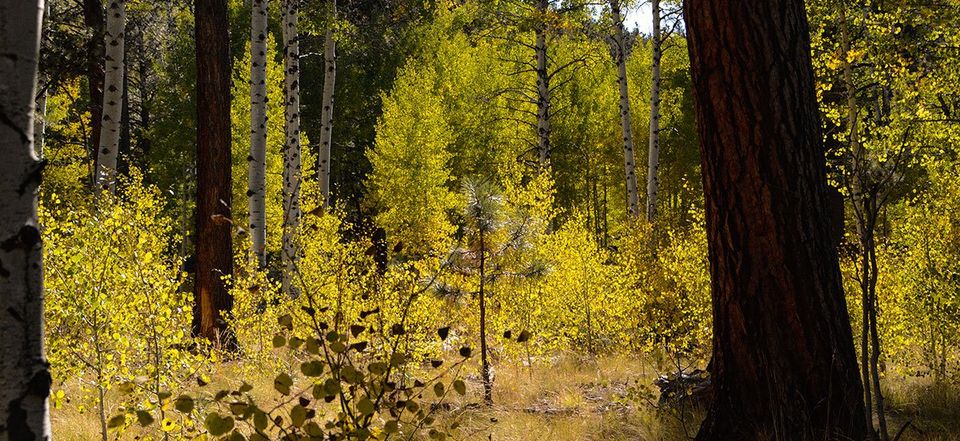
It’s the time of year again when we can enjoy the beautiful colors around us in our White Mountains. And they are beautiful here but, with the unseasonable heat this year, autumn has been late in many parts of the country. On a trip to Kentucky last week, we traveled through the Blue Ridge and the Great Smokies, both mountain ranges that ordinarily would be landscapes of gorgeous colors – reds, yellows, oranges -- by October! But there was none of that! Just their usual beautiful greenery! Years ago, I visited Lake Lure in the North Carolina mountains and, as you drive around a curve and head down a range, you are presented with Lake Lure surrounded by maples which look just like flaming bonfires all around the beautiful lake. Doubt that will happen in all its glory this year in the Southern states. But we can enjoy these “bonfires” in our area!
So, why aren’t we seeing the gorgeous colors everywhere in a timely manner this year? What prompts the trees to lose their leaves and why do they change color before they do? It has to do with the leaf’s pigmentation which gives leaves their familiar green color which comes from chlorophyll. Remember studying photosynthesis? That is the process that plants use to make sugars from solar energy, carbon dioxide (CO2) and water. Chlorophyll aids in the process of photosynthesis but it is not the only pigment that serves a similar function but other pigments aren’t there in the same concentration as chlorophyll so the more abundant green chlorophyll molecules mask the colors of the other molecules and keep you from seeing them – that is, until autumn rolls around.
As winter – ie. cold weather -- gets closer and during the winter, trees pretty much shut down as they become leafless and inactive. Thus, no photosynthesis is taking place so the chlorophyll starts breaking down. When this happens, the green color begins to fade and then you can begin to see the oranges and yellows which have been there all the time but are hidden by the strong green colors. Under optimal conditions, this chlorophyll loss is an orderly process and allows the trees to reabsorb much of the nitrogen in the structure of the pigment molecules.
There is a bit more going in inside the leaves that only happens in autumn or when it gets cold. In addition to the beautiful bright color pigments which are always present but hidden, the leaves also contain some colors that only show up in autumn. These pigments, called anthocyanins, help plants recover nutrients from the leaves before they fall off the tree and these are only present just before the leaves drop from the trees. These anthocyanins manifest in red -- and sometimes even purple. Carotenoid pigments are also lost during aging but some are retained which give us our yellow hues.
Anthocyanin and chlorophyll together produce brownish colors and anthocyanins and carotenoids together produce orange hues – and thus, you have your rainbow of colors completing the gorgeous scenes we enjoy so much in the autumn.
This is Mother Nature’s process: The weather turns cold; the trees prepare to shed their leaves; the amount of pigments in the leaves changes as the leaves prepare to fall. All trees gradually lose chlorophyll during the growing season and this loss accelerates before leaf fall. Anthocyanins increase in concentration and then cease production altogether. And so, the leaves die and fall from the trees.
Here in the White Mountains, the leaves are changing a little late but don’t wait too long! They have already started to change and this process tends to happen pretty quickly – I estimate by the end of October – and then they are gone for another year.
NOTE: Information on the process of leaf color change was gleaned from Harvard University’s Harvard Forest website and from the newest edition of Readers Digest.

Staying safe during the White Mountains' rainy season
The transition of seasons

Saving Animals One Wish at a Time

Trading Post Southwest
The Value of Friendship
Wildflowers and the changing seasons
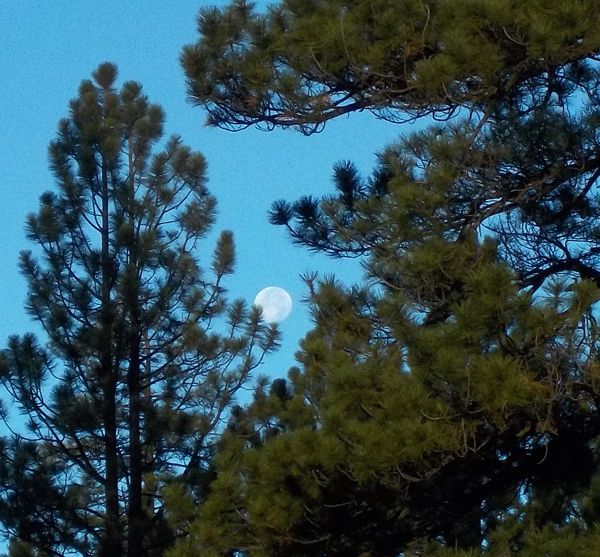
High country birding excursion
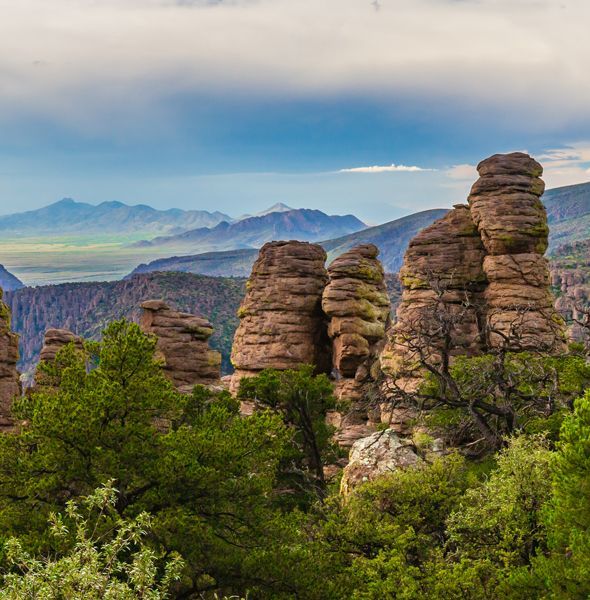
Chiricahua National Monument

Living in the present moment
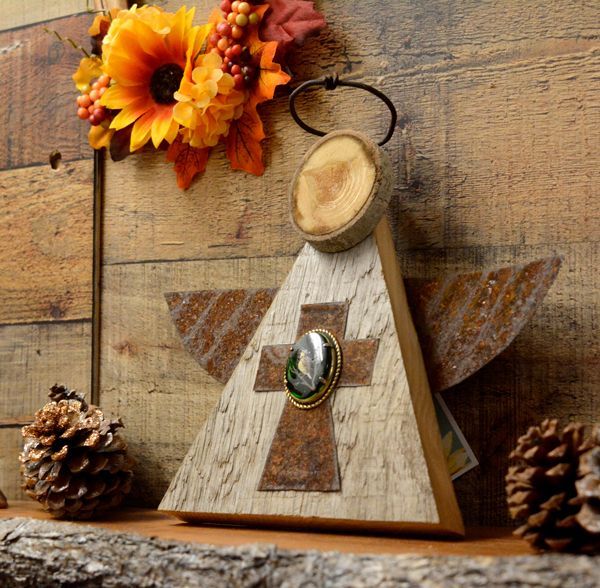
The Art of Deb Wehrman and Pam Tetlock